

 Facebook
 X
 Pinterest
 Copy Link
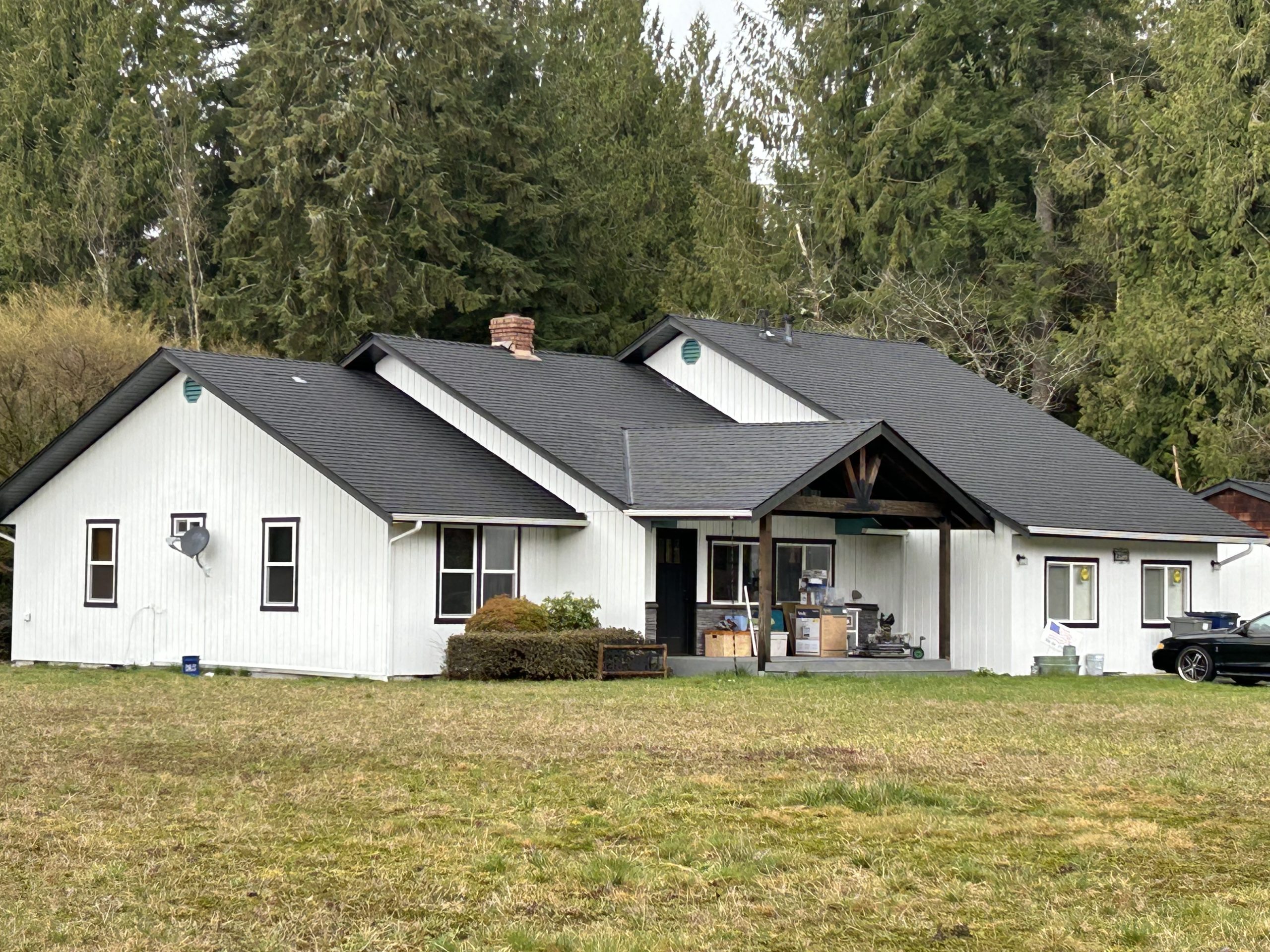
What does an accessible home look like?
Accessibility means different things to different people. For one person, it may mean avoiding stairs. For another, it could mean wider doorways, an easier-to-use bathroom, better lighting, or a home close to public transportation and everyday services.
When touring a home, here are a few things I encourage buyers to consider:
- Entry and access: Is there a step-free entrance, or could a ramp be added?
- Layout: Are the main living areas on one level? Are hallways and doorways easy to navigate?
- Bathroom safety: Is there room for grab bars, a walk-in or curbless shower, or other modifications?
- Everyday convenience: Can you comfortably reach the kitchen, laundry, and frequently used storage?
- Location: How close are medical services, shopping, transportation, family, and other support systems?
A home doesn’t have to be perfect on day one. Sometimes a few thoughtful changes can make a property a much better fit. Other times, starting with an accessible layout may be the more practical and affordable choice.
Should you modify your current home or move?
This is a question worth exploring before making a major decision.
If you love your current home and neighborhood, modifications might allow you to stay comfortably. Grab bars, improved lighting, nonslip flooring, handrails, or a ramp may be relatively straightforward improvements. Larger projects, such as widening doorways, changing a bathroom layout, or installing a stair lift, require more planning and budgeting.
If your home’s layout presents too many obstacles, moving may be worth considering. A single-level home, condo, townhome, or apartment with suitable access might offer greater independence and less ongoing maintenance.
Here in Snohomish County, the challenge is balancing accessibility with affordability, location, and the type of home you want. It’s important to consider the full cost of either option—not just the purchase price or the renovation estimate.
Local resources that may help
You don’t have to figure everything out on your own. Several Snohomish County organizations offer information or assistance.
Homage — Older Adult Home Modification Program
Homage offers a program for eligible Snohomish County homeowners and renters age 62 and older with low or moderate incomes. Eligible participants may receive an occupational therapy assessment and safety modifications at no cost. Examples include grab bars, improved lighting, and other fall-prevention improvements. Renters need landlord approval.
Learn more at Homage’s Home Modification Program or call 425-290-1270.
Snohomish County Aging and Disability Services
For qualifying Apple Health (Medicaid) members, the county offers information about home modifications and other supports designed to improve safety and accessibility. Eligibility requirements apply.
Visit the County’s Health-Related Social Needs Services page or call 425-388-7393 to ask about available services.
Housing Authority of Snohomish County (HASCO)
For those looking for rental housing, HASCO offers housing assistance programs, including a Senior and Disabled Program for eligible adults age 62 and older or adults with a qualifying disability. Program rules, income limits, property availability, and waiting lists vary.
Start at HASCO’s website to review options and current application information.
A few things to keep in mind when buying or renting
Accessibility features aren’t always identified in a listing, so it helps to be specific about what you need before beginning your search. A property described as single-story, for example, isn’t necessarily step-free or suitable for every mobility need.
If modifications are needed, check local permitting requirements, obtain estimates from qualified contractors, and consider whether the changes are practical for the property. If you’re renting, ask about the process for requesting reasonable accommodations or modifications. Fair housing laws provide important protections for people with disabilities, although the specific requirements depend on the circumstances and type of housing.
Snohomish County also provides information about fair housing protections.
Let’s find a home that fits your life
I believe the right home is about more than square footage, finishes, or resale value. It’s about how comfortably you can live in it and whether it supports the life you want to lead.
Whether you’re buying your first home, helping a family member find a better fit, planning to age in place, or deciding whether it’s time to downsize, start with what matters most to you.
If accessibility is part of your home search, let’s talk about your needs, your options, and what makes sense for your budget. We can work backward from the way you want to live and build a search around the features that matter most.
Because home should work for you—not the other way around.

