

 Facebook
 X
X
 Pinterest
 Copy Link
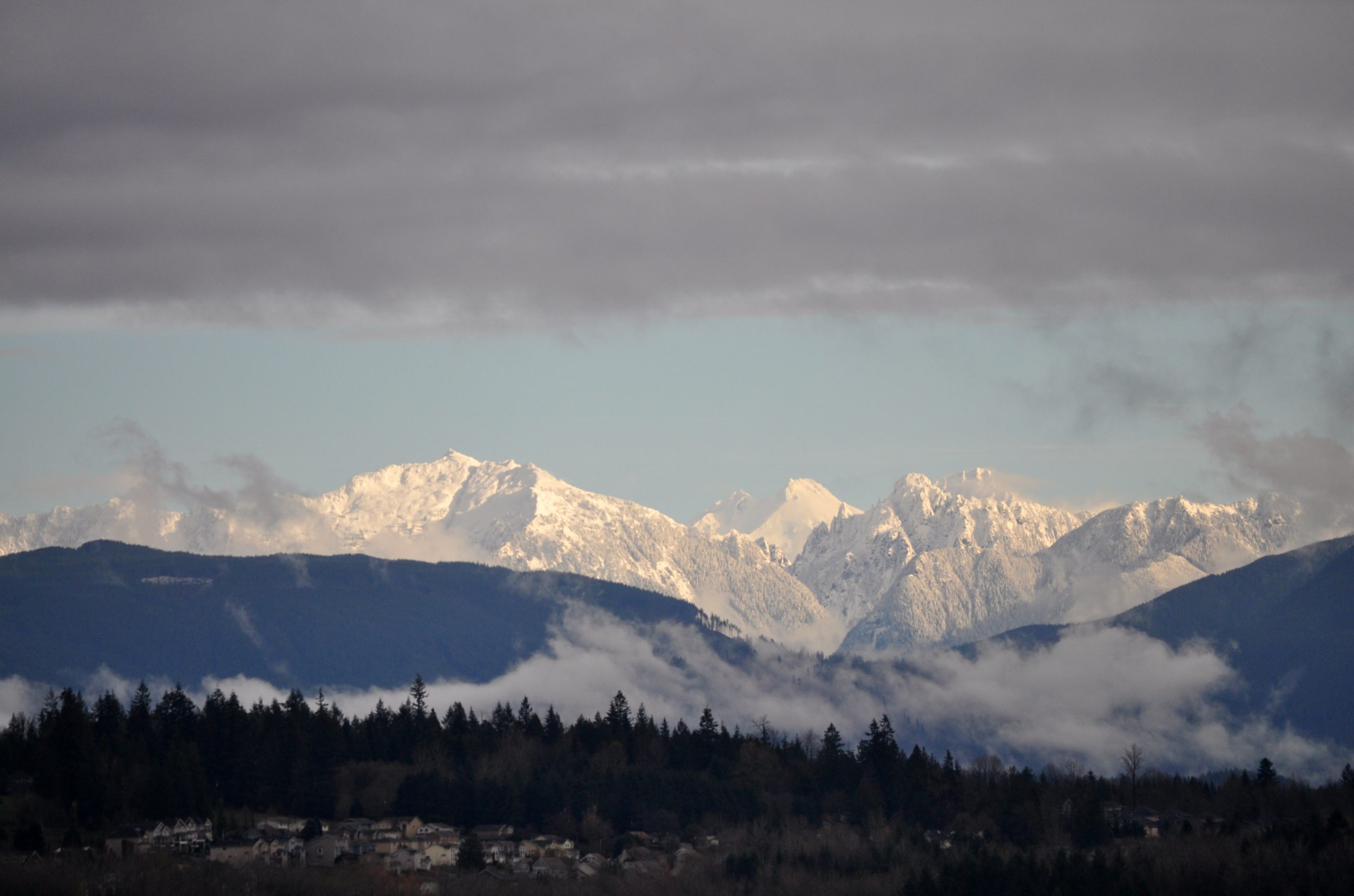
🧊 How to Protect Your Home from Frozen Pipes This PNW Winter
From frosted windows to the quiet sparkle of snow on evergreens, winter in the Pacific Northwest has a magic all its own. But while you’re cozying up with a hot drink, your home’s plumbing might be feeling the chill — and frozen pipes are a hidden danger that can quickly turn into a costly headache.
When temperatures drop, the water inside your pipes can slow down and eventually freeze. As it turns to ice, it expands — building pressure that can crack or burst your pipes. A single break can release gallons of water in minutes, damaging floors, walls, and personal belongings. Fortunately, with a little knowledge and preparation, you can keep your home safe all winter long.
💧 Why (and How Fast) Pipes Freeze
There’s no one-size-fits-all timeline for when pipes freeze — it depends on several factors:
-
Pipe material and size: Thin copper pipes freeze faster than thicker plastic ones.
-
Location: Pipes in uninsulated exterior walls, basements, crawl spaces, or attics are most vulnerable.
-
Temperature and wind: Rapid temperature drops or cold winds against exterior walls can speed up freezing dramatically.
In the PNW, where temperatures often hover near freezing before dipping lower overnight, pipes in exposed areas can freeze in as little as 4 to 6 hours during moderate cold (10–20°F). When the thermometer falls below 10°F — especially with wind chill — ice can form in as little as 2 hours.
🔧 Simple Steps to Prevent Frozen Pipes
Even mild freezes can cause problems, but a few easy precautions go a long way:
-
Let faucets drip: Running water keeps pipes moving and prevents freezing.
-
Open cabinet doors: Let warm air circulate around under-sink plumbing.
-
Add insulation: Foam pipe sleeves or heat tape provide affordable, effective protection.
-
Seal drafts: Check around doors, windows, and foundation vents to block cold air.
-
Keep the heat on: Even if you’re away, maintain your home at least 55°F.
During severe cold snaps, it’s smart to leave faucets running with a steady trickle of warm water and use space heaters (safely) near pipes in vulnerable spots.
🚰 What to Do If Your Pipes Freeze
If you turn on a faucet and nothing comes out, don’t panic — but act fast.
-
Shut off your main water valve to prevent flooding.
-
Check for frost or bulging pipes under sinks, in basements, or along exterior walls.
-
Open faucets to relieve pressure.
-
Thaw gently using a hair dryer or space heater (never an open flame).
-
If you spot leaks or burst pipes, call a licensed plumber immediately.
🌲 A Little Prevention Goes a Long Way
PNW winters may not bring Arctic temperatures every year, but our damp, fluctuating weather makes pipes particularly vulnerable. Taking simple preventive steps now — before that next cold front moves in — can save you thousands in repairs and keep your home warm, dry, and worry-free.

